Working with others
How to manage up as a junior lawyer
Practical scripts and tactics to take control of your workflow and build a better relationship with the people you work for.
The short version
Managing up means proactively understanding and anticipating what the person you work for needs — taking on some of the 'manager-level thinking' so your workflow becomes more predictable. In practice: ask to be copied on matter emails, propose tasks and draft deadlines rather than waiting, build review buffers into deliverables, set up a short recurring workflow check-in, and ask your manager directly what makes their job easier.
I've worked for amazing lawyers who weren't great managers. As a junior, I thought the last-minute instructions, late nights, cancelled plans and competing deadlines were just part of the job — I just needed to wait for tasks and do them well. It wasn't until my mentor taught me about "managing up" that I realised I could take more control over my workflow (and do a better job). If you're frustrated with those things too, this is for you.
What is 'managing up'?
There are lots of definitions, but I think of managing up as proactively taking steps to understand and anticipate the needs of the person you're working for. By taking over some of the "manager-level thinking", you make their job easier — which in turn makes your own job easier, or at least more predictable.
Why should we be responsible for managing up?
Technically it's the manager's job. But many great lawyers aren't great managers — they're too busy, or never had the training. By managing up, you start to drive your own workflow and career, which tends to mean:
- a lower chance of being handed tasks at the last minute;
- learning the skills needed for higher roles;
- demonstrating you're ready for the next level; and
- a better working relationship — seen as proactive, a team player, easy to work with.
What actions can we take to manage up?
1. Take a proactive approach to tasks
Newer lawyers often wait for tasks to be assigned — a 'doer' role. But a career in law relies on being a 'thinker'. Start by asking to be copied into matter communications, and when work comes in, suggest tasks and draft due dates rather than waiting:
"Hi Jane — just to make sure I don't miss anything on the matter, would you mind cc'ing me on all the emails?"
"Hi Jane — I've had a think about this email from [client]. They've asked for [an advice] by [next Monday]. I can start a draft this afternoon and expect to issue it to you by [Thursday morning]."
For meetings, offer to prepare in advance, sort out the logistics, and capture the actions afterwards:
"Hi John — for this meeting, did you want me to prepare hard copies of [the draft advice] or anything else?"
"Hi — for today's meeting with [client], it looks like it'll be a 20 minute taxi, so we should leave by [10:35am]."
"Hi John — I've got a list of actions from our meeting. Do you want me to send you a summary of those notes and the actions?"
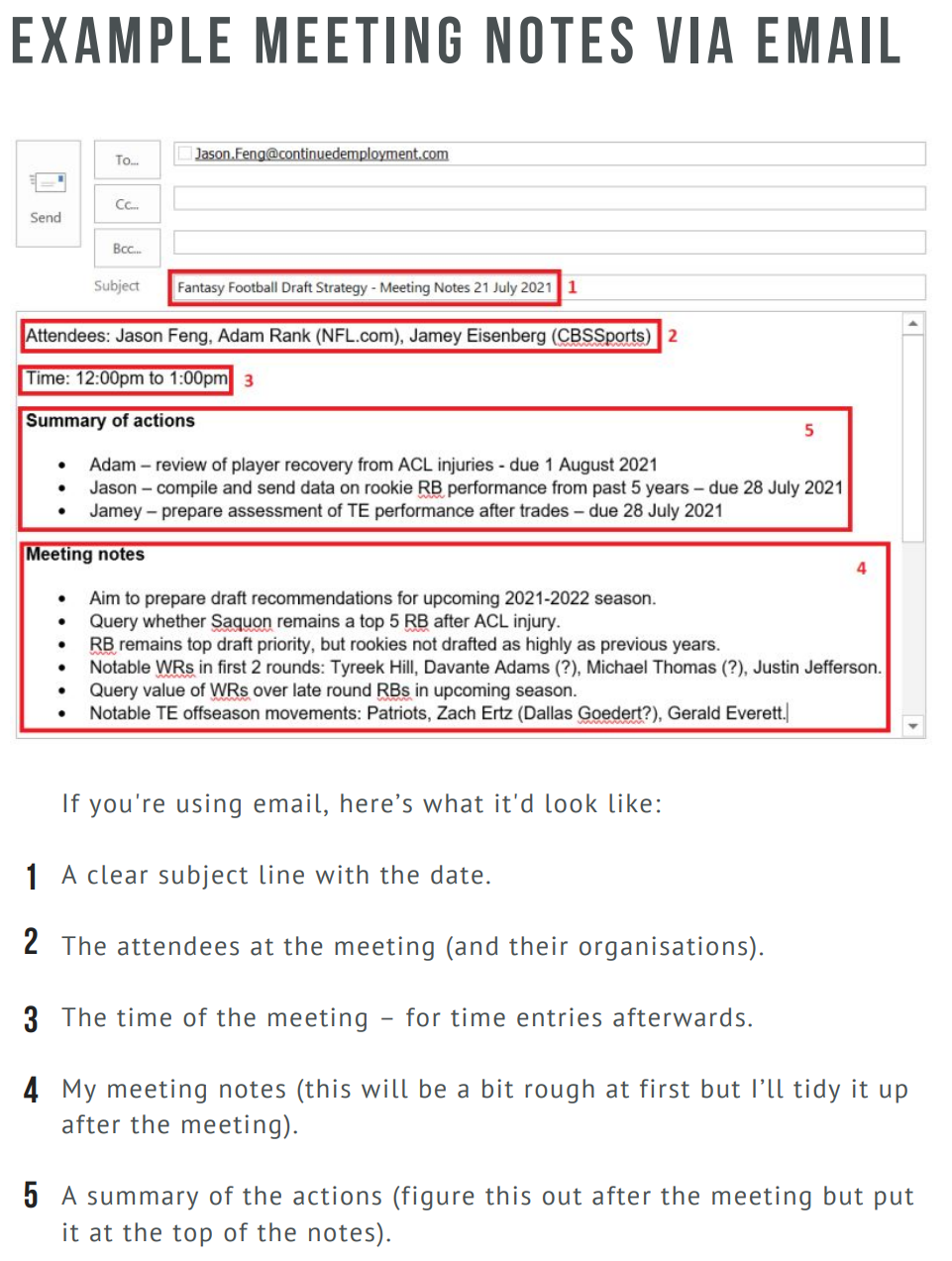
On deliverables, build in a time buffer for them to review your work and for you to amend it — handing work over on the morning of a Friday client deadline leaves no time to get involved again. Where you can, prepare a draft of the client-facing deliverable rather than an internal-facing one.
2. Communication
Understand your manager's communication style, flag your unavailability ahead of time (offer to send a calendar invite so upcoming leave or a social event is on their radar), and — if they're open to it — set up a regular 15–30 minute workflow meeting. A recurring agenda could be: FYIs that need no discussion; a review of last period's actions (completed work, blockers, what you need); updates from your manager; and actions for the coming period. And follow up on things you're waiting on:
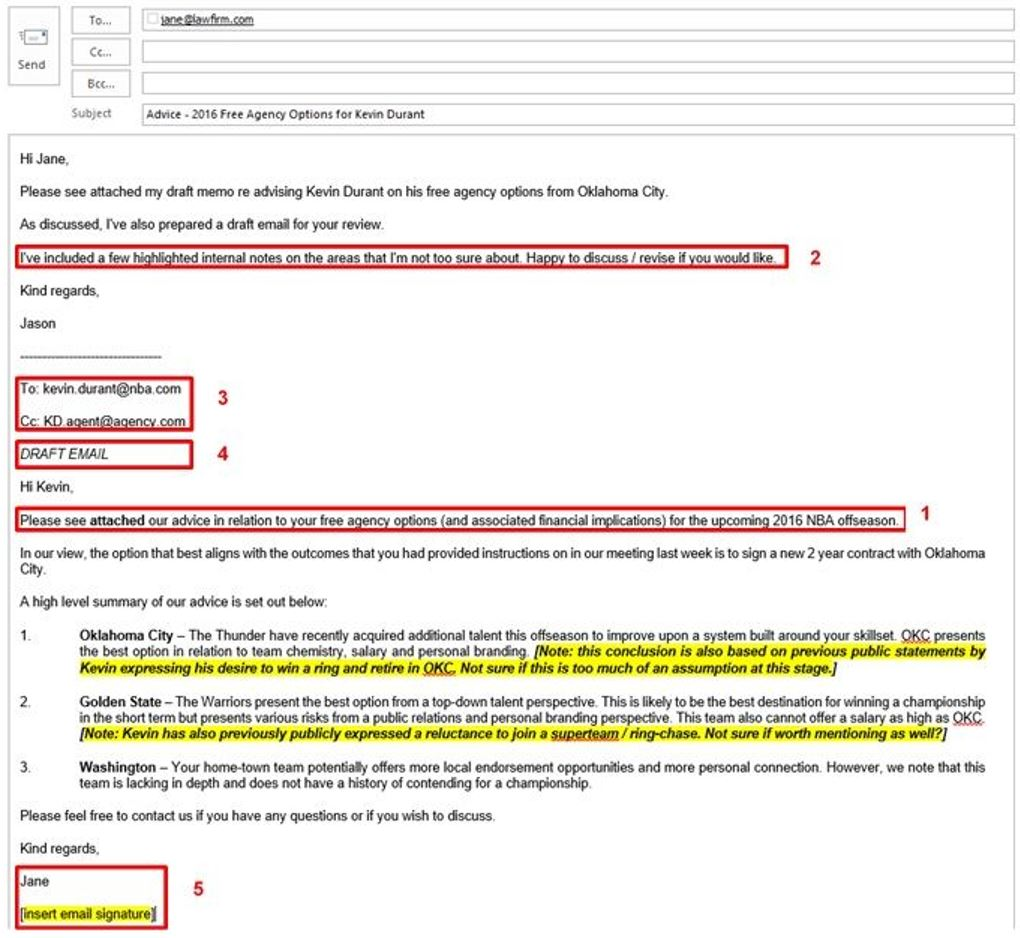
"Hi — just wanted to remind you about that draft email I sent yesterday. Are there any changes you'd like, or should I leave it for you to send out?"
3. Understand your manager
Instead of guessing what your manager is thinking, set up a meeting to ask — based on past experience, not aspirational hypotheticals. For example: who's someone you've had a great working relationship with, and why did it work? What have juniors done to make your job easier? On my recent tasks, did you have enough time to review and let me make amendments?
4. Think one step further — your manager's manager (or the client)
Bonus points for thinking beyond your immediate manager. Suggest improvements for the client's benefit:
"I've done it this way, but do you think it'd be clearer for the client if we reorganised the table so it looked more like this?"
And understand how your work feeds their deliverables — for instance, keeping your time entries and narratives up to date because they feed the invoices your partner issues.
Final thoughts
It can feel a bit weird to start managing up, especially as a newer lawyer working with very experienced partners. But remember: the people you work for went to law school, not management school. Take on a managing-up mentality and you'll gain far more control over your work and career.
Downloadable version
Prefer a printable copy? Here's the full guide as a standalone PDF.
Frequently asked questions
What does 'managing up' mean for a junior lawyer?
Proactively understanding and anticipating your manager's needs and taking on some of the manager-level thinking — so you drive your own workflow instead of waiting for last-minute instructions.
How do you manage up without overstepping?
Frame it as making their job easier: ask to be cc'd on the matter, propose tasks and draft due dates ('I can draft this afternoon and issue it to you by Thursday'), offer to prepare for and take notes at meetings, and set up a short recurring workflow check-in if they're open to it.
Why should a junior lawyer manage up if it's the manager's job?
Many excellent lawyers were never trained as managers, or are simply too busy. Managing up means fewer last-minute tasks, a better working relationship, and it demonstrates you're ready for the next level.
Part of the Field Guide
This is 1 of 110+ guides
The full library adds templates and learning tracks — one payment, lifetime access.
Get the next guide in your inbox
One short, practical email most weeks. No spam — unsubscribe any time.